
Your professional photo speaks before you say a word. According to Harvard Business Review, you have 6–7 seconds to make a first impression — and more than 80% of that judgment is based on visual cues: clothing, posture, expression. Not your resume.
Knowing what to wear for a professional photo is not a minor detail. It is part of the message.
The problem: there is no universal answer. It depends on your industry, your goal, and — something almost nobody mentions — where the photo will actually be seen. On LinkedIn mobile, your image appears as a 2 cm circle. What works on a large screen can disappear in a thumbnail. This guide covers concrete rules by industry, plus what photographers know that fashion blogs never tell you.
What is the basic rule for dressing for a professional photo session?
Dress one level above your daily work attire. If you usually work in a t-shirt, come in a shirt. If you work in a shirt, add a blazer. The photo should project where you are going, not where you are right now.
A study on Enclothed Cognition (cited in Forbes 2025, based on HBR research) shows that more structured clothing generates a +22% increase in perceived competence by the observer. This is not superficial — it is psychology. According to OpinionWay 2024, 71% of recruiters consider the first impression "decisive" when making a hiring decision.
The key insight: formal does not mean a suit. Formal means intention and structure in what you wear. An unstructured blazer over a quality t-shirt communicates exactly that. High-impact business photo clothing does not require stiffness — it requires coherence.

What clothing works best depending on your industry?
Every industry has its own visual codes. What communicates confidence in banking can look rigid in a startup — and vice versa. There is no one-size-fits-all professional headshot wardrobe. Here is what works in each context.
Tech / Startup
Shirt without a tie, or a quality t-shirt with an unstructured blazer. Colors that work: navy, mid-grey, earth tones (terracotta, olive). Avoid a formal suit — it disconnects visually from the sector and can send the wrong signals to your audience. Can you wear just a t-shirt? Yes, if it is quality: heavy cotton, clean collar, no logos. The key is not the garment itself — it is the signal it sends.

Finance / Law
A suit or structured blazer with a shirt. Safe colors: dark navy, charcoal, discreet burgundy. Structure does add value here. A tie? Only if you wear one regularly. A forced tie shows — there is visible tension in the posture. For most people, a shirt without a tie with a clean collar projects professionalism without rigidity. If you work with teams in this sector, you can see how we align group image on our corporate team photos page.
Creative / Marketing
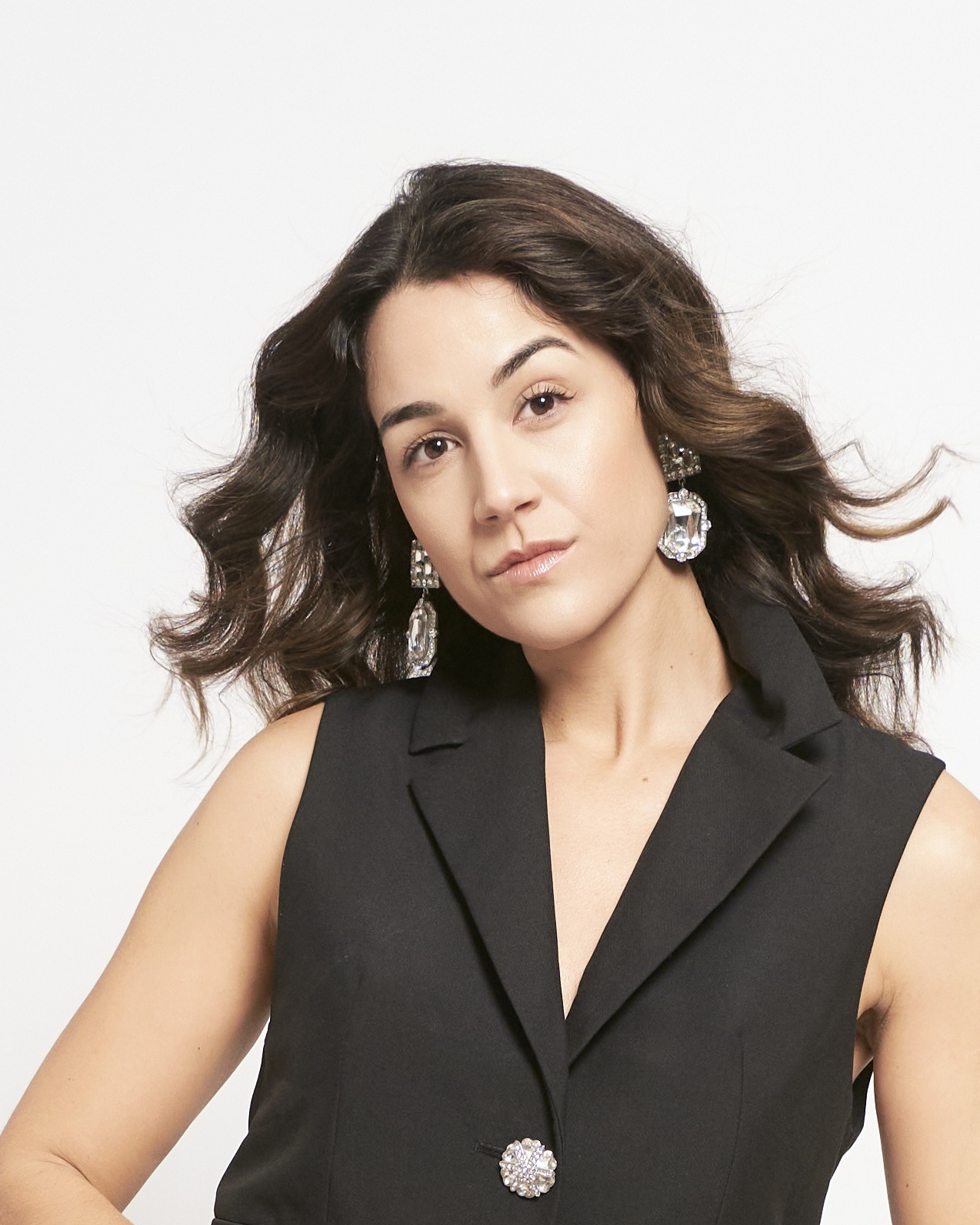
As authentic as possible — but with intention. A well-chosen color detail, an interesting texture, an accessory that says something. Avoid going too corporate: it does not communicate creativity, which is precisely what you are selling.
Healthcare
A white coat if it applies to the context where the photo will be used. If not, a clean shirt or blouse without patterns. The goal is to project both trust and approachability — with no visual distractions.
Freelancers / Coaches
The question here is not "what do I like?" but "what does my ideal client expect to see?" If you work with corporate executives, dress one step up. If you work with young entrepreneurs, you can relax the tone. And if your work is 100% remote — that is even more reason to invest in your photo. In remote work, your profile picture is your first impression: there is no handshake, no informal pre-meeting. Dress for your client or your next opportunity — not for your sofa. Personal branding photography has this logic at its core: project toward your audience, not toward your wardrobe.
At our Barcelona studio we see a consistent pattern: tech and startup clients arrive in t-shirts asking "should I put the blazer on?", while finance clients bring three suits and ask "which one is least formal?" The fear is exactly the same — not fitting in. The answer is always the same: dress for your audience, not for yourself.
What colors work best on camera (and which ones ruin the photo)?
Navy, charcoal, off-white, and earth tones work in virtually any context. Neons, thin stripes, and large logos destroy the photo. But there are less obvious traps that almost nobody mentions.
Colors that perform well on camera:
- Navy, charcoal, burgundy, forest green, terracotta
- 2025–2026 trends: Mocha Mousse (coffee/chocolate tones), moss green, champagne beige
- Off-white (not pure white) — adds freshness without blowing out the highlights
Colors that ruin the photo:
- Pure black: flattens shadows, loses texture and detail — looks like a silhouette
- Pure white: blows out the highlights, loses structure at the shoulders and collar
- Neon colors: create a color cast (a tint of reflected color) directly onto the skin
- Nude beige that matches your skin tone: creates a "naked effect" especially visible in LinkedIn thumbnails
- Thin stripes, herringbone, or gingham checks: produce moiré — a visual distortion that appears on camera and cannot be corrected in editing
The most frequent mistake we correct at our studio: clients arriving in all-black. On camera, pure black flattens everything and loses texture. We switch it to charcoal or dark navy — same seriousness, but with real depth. The difference is immediate.
A detail very few blogs mention: 90% of LinkedIn users see your photo on mobile, in a 2 cm circle. A solid, well-chosen color beats any pattern, no matter how good it looks in person. This is fundamental when thinking about colors for professional headshots.
What fabrics and textures work best in a professional photo?
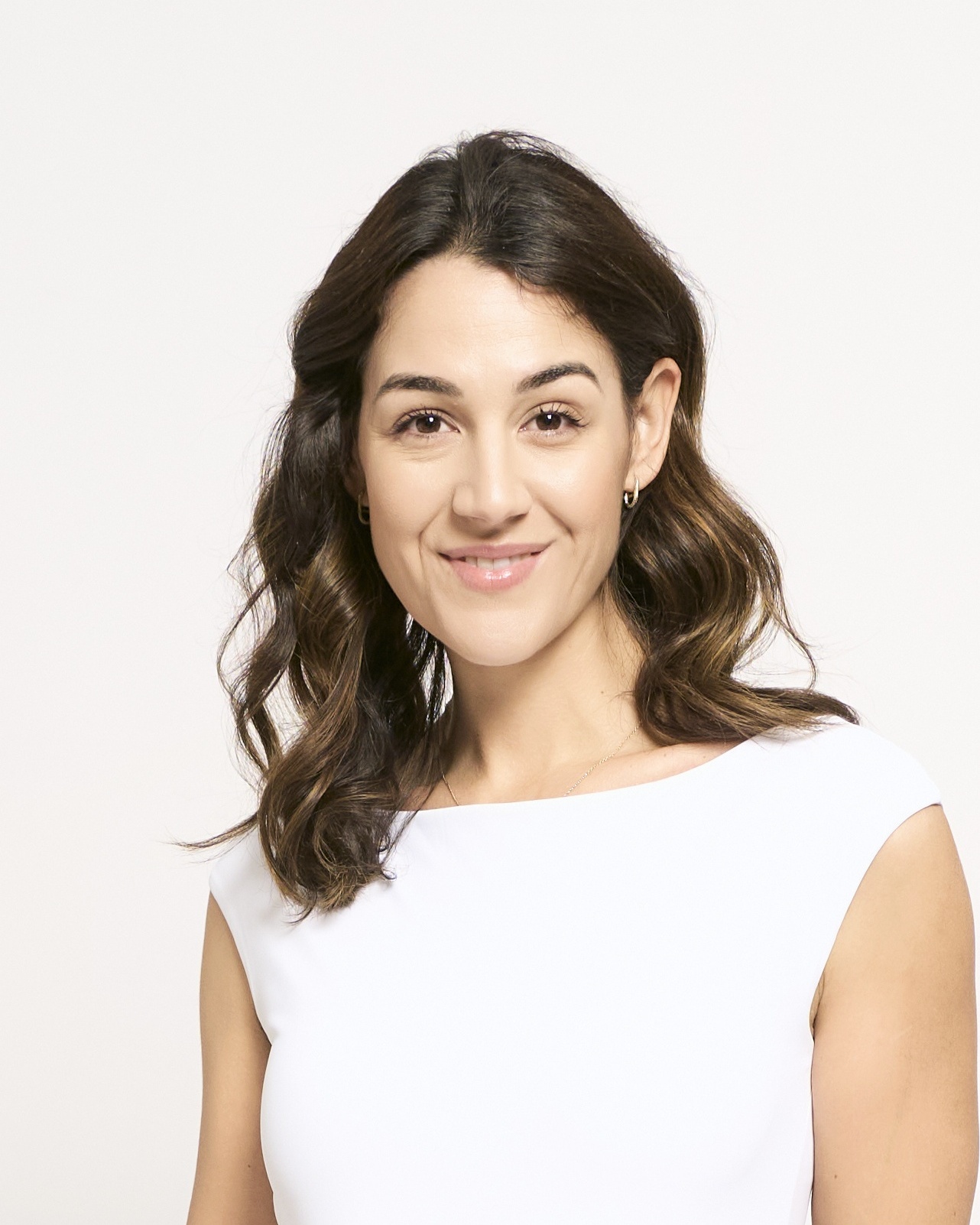
Matte always beats shiny. Cotton, Tropical Wool, and fine knit communicate quality on camera. Satin, shiny silk, and linen photograph poorly — but for different reasons.
Satin and shiny silk reflect light and create bright spots that distract the eye. Heavy cotton and fine wool, on the other hand, show real texture — something that carries extra weight in 2025–2026: according to Ringover (2024), 67.5% of recruiters would reject a candidate if they knew the photo was AI-generated. Authentic fabric texture is now a visual credibility signal.
Linen is the classic summer mistake. It wrinkles within five minutes in warm conditions — by the time you are in your session, it looks careless even if you arrived perfectly pressed. Tropical Wool (a lightweight, wrinkle-resistant summer wool) is an alternative almost nobody knows about, and it photographs beautifully.
A practical detail that often gets overlooked: if you wear glasses with blue-light blocking lenses, they produce purple-blue reflections on camera. Bring a spare pair of regular glasses for the session.
What outfit works in 90% of cases?
Unstructured blazer over a quality t-shirt or a tieless shirt. This is the universal fallback that balances professionalism and approachability. It works across almost every industry because it has structure without rigidity.
The specific combination that performs best: navy or charcoal blazer, with off-white or light grey underneath. It projects intention without becoming a uniform. This is the answer to what to wear for corporate photos when you are unsure about the level of formality your context demands.
What we observe with clients at our Barcelona studio is revealing: most people bring three or four outfits out of insecurity. In the end, 80% choose blazer plus t-shirt — it works every time. We tell them "bring your go-to" and that is usually exactly what they pick. The other changes become variations, but the first outfit is what ends up on LinkedIn. How many to bring? Two or three is ideal. More than three creates decision paralysis in the moment. One tip: try them on in your phone camera first — that is exactly how your photo will be seen.
If you want to see how this looks in practice, check out our professional photo session in Barcelona — real results with these kinds of outfit combinations.
Visible tattoos? The honest answer
It depends on your industry and your personal brand — not on any moral standard. If your tattoos are part of your professional identity, show them. If your industry is conservative, you can choose to cover them for the photo without giving anything up.
In tech, creative fields, and coaching, tattoos are often part of the brand. Hiding them can make the photo feel inauthentic — and authenticity shows. In finance, law, or healthcare, it is a personal decision, but the photo is your calling card for an audience that may have different expectations.
The practical advice: bring one option that covers and one that does not. Decide in the moment, once you are in front of the mirror and can actually see how each one looks.