76.5% of recruiters prefer your AI-generated photo in a blind test. But if they find out you used AI, 66% react negatively. That's the paradox of AI headshots on LinkedIn in 2026: better in the test, worse in real life.
Tools like HeadshotPro and Aragon AI ($29–75) have generated over 25 million portraits in the past two years. The technical output is good. The problem isn't the quality. The problem is what happens after you hit submit.
Is the risk worth it? That depends on what you mean by risk.
What Does the Research Actually Say About AI Photos and Recruiters?
Recruiters can't reliably detect AI photos. They get it right only 39.5% of the time — worse than a coin flip. But that doesn't mean you're completely safe, and the data shows exactly why.
The Ringover study (2024), conducted with 1,087 recruiters, is the most robust evidence available. Detection rate: 39.5% — well below the 50% statistical baseline. Yet 80% of those same recruiters believe they can spot an AI photo. Classic Dunning-Kruger, applied to artificial intelligence.
The TrueYouAI recruiter survey (January 2026) reinforces this: 73% of recruiters cannot distinguish an AI-generated headshot from a real studio photo. And 89% say image quality matters more than where the photo came from.
Premium AI tools have already cleared the "uncanny valley" threshold. The problem is no longer visual.
How Do Recruiters Actually Detect AI-Generated Photos?
They don't use detection software. They spot visual cues that signal artificiality — and those cues are getting rarer every year.
According to Ringover data, the signals that give AI photos away most often are:
- Artifacts in backgrounds or secondary details (54.8% of detections)
- Skin that looks too smooth, a "plastic" quality (43.6%)
- Unrealistic facial symmetry
- Uniform blur in the background without natural depth variation
- The visual "fingerprint" of popular tools — HeadshotPro has a recognizable aesthetic
The bias problem is real and documented. MIT student Rona Wang used an AI headshot tool and found her image had been altered: lighter skin, blue eyes. Similar cases appear in HeadshotPro Trustpilot reviews — "NONE looked like me", "darkened my skin". The tool doesn't just change quality. It changes who you are.
On AI LinkedIn photo detection: recruiters are getting less able to do it with any confidence. But here's something we notice at our studio in Barcelona that doesn't appear in any report. Over the past year, clients ask us more and more — "will this look like AI?" — when reviewing standard retouching on their real photos. They're not talking about generated images. They're talking about normal editing. The fear of being seen as fake has become a real barrier, even for people with completely authentic photos.
The Bias No AI Tool Mentions
84% of recruiters themselves would consider using AI for their own profiles, according to Ringover. And 88% say candidates should disclose AI use. The hypocrisy is structural — which makes the ground even less stable.
The "Identity Drift" Problem: Why the Video Call Is the Real Risk
The real danger isn't that they detect your photo. It's that they don't recognize you on the first video call.
35% of hiring managers have confirmed that someone who looked significantly different from their profile photo showed up in a virtual interview, according to the Checkr survey (2025). 17% of HR managers have already encountered deepfake technology in live video interviews — data from Sherlock AI (2025).
This has a name: identity drift. It's the gap between your AI avatar and your actual face. The wider that gap, the greater the risk that trust collapses in the first 30 seconds of a call. In senior or executive roles, that gap weighs heavier than in junior positions — tech recruiters now do an almost instinctive visual "reality check" at the start of every video call.
The AI photo creates an expectation. You can't meet it in person. And that gap reads as a small lie.
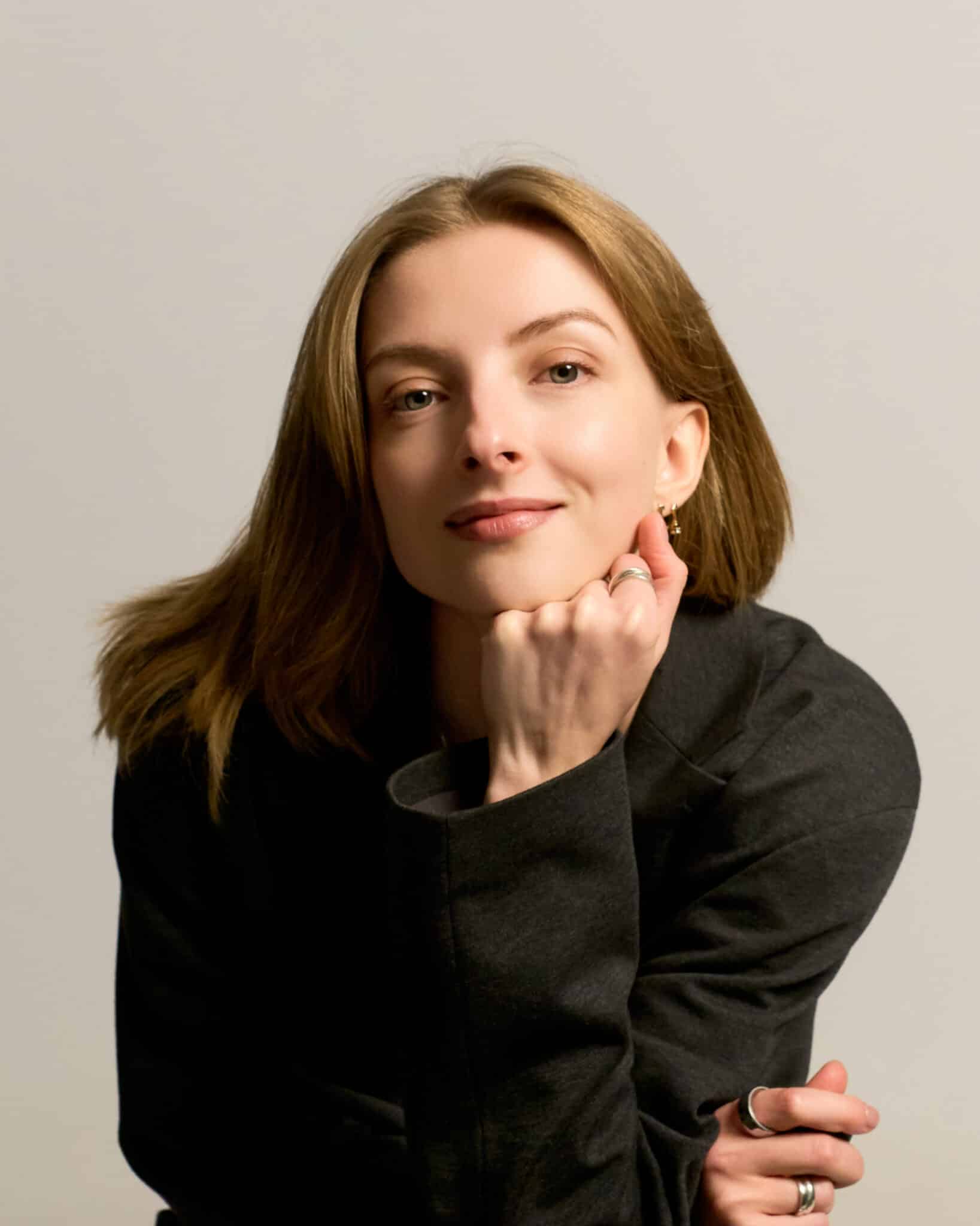
We see this at our Barcelona studio more often than we expected. Clients arrive with their AI headshot on their phone and ask for something "like this." But when they see themselves in the studio mirror — full-length, under professional lighting, in real time — the reaction is almost always the same: "Wait, is that really me?" The difference between the avatar and the actual person becomes visible in that moment. That's identity drift, live. And that's exactly what the recruiter sees on the video call.
Which Industries Carry the Most Risk?
Banking, law, and government are the most sensitive. Tech and creative fields are the most tolerant — but with important nuances.
The EU AI Act (August 2025) classifies AI use in HR processes as "High Risk." That doesn't directly prohibit anything, but it raises recruiter sensitivity across Spain and the EU. In sectors where transparency and compliance are core values — banking, legal, public administration — using AI for your headshot can be read as a signal about your professional ethics more broadly.
Lawyers face a documented dilemma. C-suite executives too: the Greentarget case is one of the first where firms rejected senior profiles specifically for "ethics of misrepresentation" tied to AI-generated content.
For personal branding photography in consulting, sales, or marketing, the risk is medium — it depends heavily on company culture. In tech startups and creative roles, AI is often read as a signal of tech-savviness, not deception.
But even in tech: 1 in 4 recruiters would reject candidates for using AI materials. That's not a marginal risk.
LinkedIn also requires that your photo "reflect your likeness" — profiles that don't comply can be removed. Tools like Aragon AI produce high-quality output, but users report facial distortions and altered features. The platform doesn't ban AI, but it does require genuine resemblance.
Three Real Options — and Their Actual Risks
You have three paths. Only one eliminates all the risk.
Option 1: AI headshot ($29–75)
Fast, cheap, visually "perfect" result. But 66% of recruiters react negatively when they discover the photo is AI-generated — Ringover data. Add to that: documented racial and gender bias in major tools, and the identity drift problem on video calls. Risk: medium-high.
Option 2: Selfie or photo from a friend ($0)
Free and authentic — nobody's going to flag it as AI because it isn't. The problem is different: amateur lighting, distracting background, no professional presence. It doesn't build confidence in a first impression. Risk: low on authenticity, low on impact.
Option 3: Real professional photo (€60–500)
Studio quality, you'll be recognized on the video call, zero detection risk. LinkedIn profiles with real professional photos generate 21x more views and 36x more messages, according to LinkedIn data (2025).
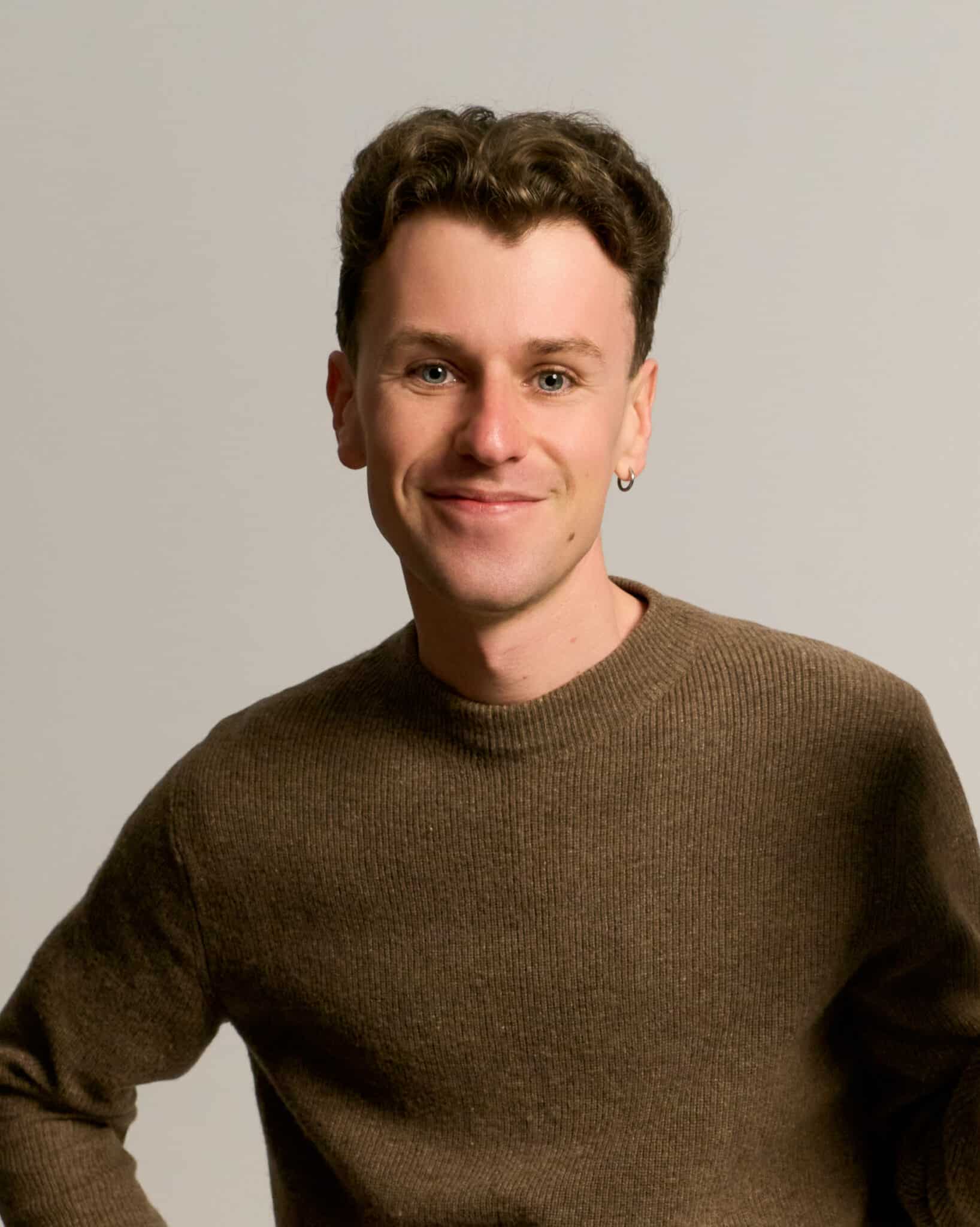
HR managers who come to our Barcelona studio for their own photos tell us the same thing in different versions of the same story: in the interviews they run, they see candidates who don't look like their LinkedIn photo. And they say the effect is immediate — it's a trust deficit before a single word has been spoken. The same phenomenon, seen from the other side of the table.
For a professional LinkedIn photo session or a CV headshot, a session in Barcelona starts from €60 with results the same day. Risk: none.